
Understanding Pet Loss Grief: The Psychology Behind Why Losing a Pet Is So Painful
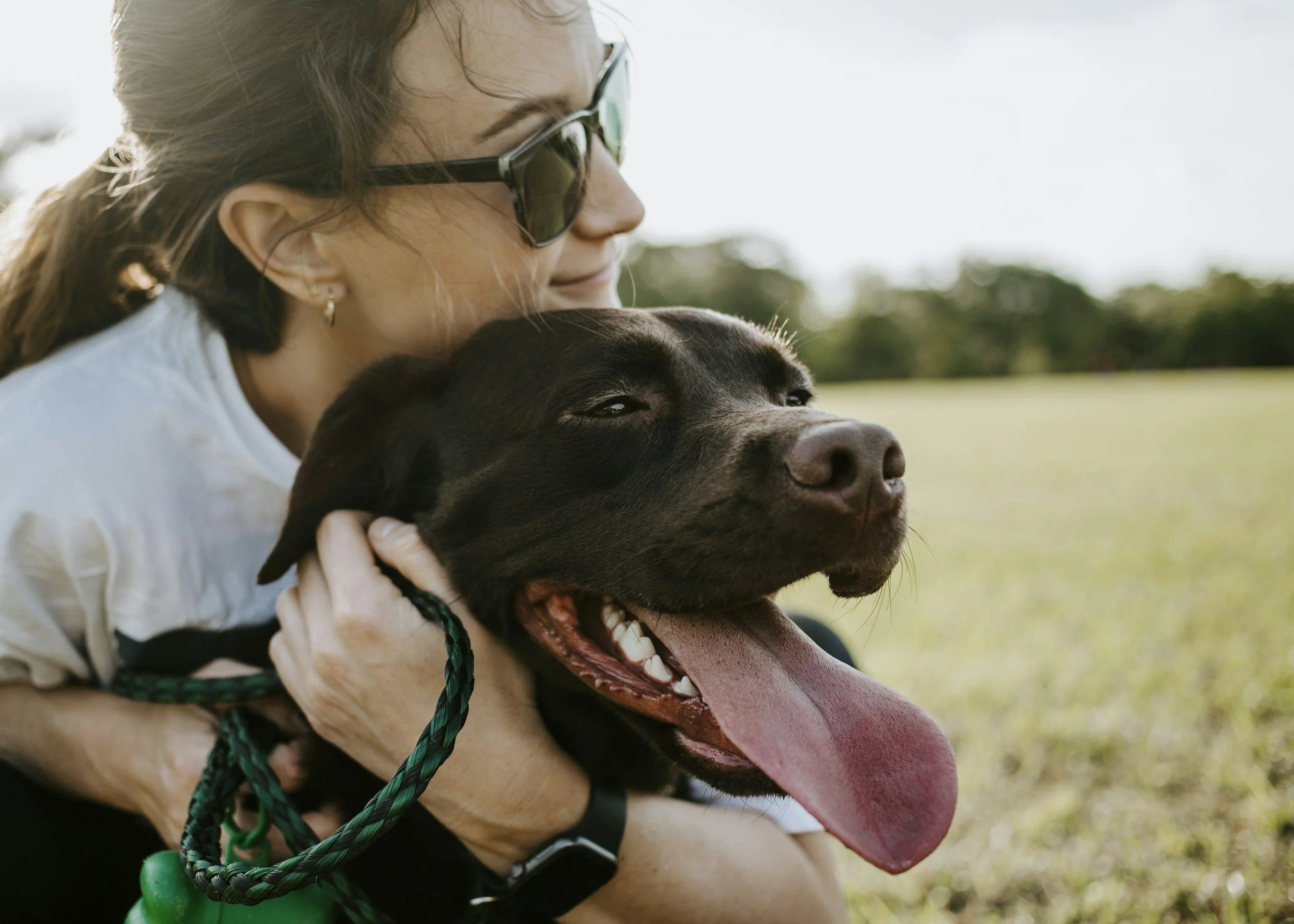
In my clinical work, I frequently see how deeply people bond with their pets and how painful their loss can be. For many people, pets are not “just animals.” They are companions, family members, sources of comfort, and often one of the most emotionally consistent relationships in a person’s life. When a beloved pet dies, the grief that follows can feel overwhelming, confusing, and sometimes even isolating.
Yet despite how common pet ownership is, the grief associated with losing a pet is often misunderstood or minimized by others. Understanding the psychology of pet loss can help validate these emotions and provide a pathway toward healing.
The bond between humans and animals is psychologically powerful. Pets provide unconditional acceptance, companionship, and emotional support. For many people, a pet is present during both ordinary routines and major life events.
Psychologically, pets often serve several important emotional roles:
Attachment figures – Pets can function similarly to secure attachment relationships. They provide comfort, safety, and emotional regulation.
Emotional support – Animals often help reduce loneliness, anxiety, and stress. Many people turn to their pets during difficult moments.
Daily structure and purpose – Caring for a pet creates routine and responsibility that can contribute to emotional stability.
Because pets are so deeply integrated into daily life and emotional well-being, losing them can disrupt multiple aspects of a person’s psychological world.
Disenfranchised Grief: When Others Don’t Understand
One of the unique challenges of pet loss is what psychologists call disenfranchised grief.
Disenfranchised grief occurs when a loss is not fully recognized or validated by society. People grieving the loss of a pet may hear comments such as:
“You can always get another one.”
“It was just a dog.”
“At least it wasn’t a person.”
While these statements are often intended to comfort, they can unintentionally invalidate the depth of the loss and lead to feelings of isolation and further loneliness. For someone who shared years of companionship and emotional connection with an animal, the grief can feel comparable to losing a close friend or family member.
The Emotional Stages of Pet Loss
Grief following pet loss can look very similar to other forms of bereavement. People may experience:
Shock and disbelief
Especially if the loss was sudden.
Guilt
Many pet owners struggle with questions such as:
Did I do enough?
Did I make the right medical decisions?
Intense sadness or emptiness
Daily routines may feel strange or painful without the presence of the pet.
Loneliness
The absence of companionship can be profound, especially for individuals who live alone.
Gradual acceptance
Over time, many people begin integrating the loss into their lives while still maintaining emotional connection to their pet’s memory.
It is important to remember that grief is not linear. People may move back and forth between emotions, and healing occurs at different paces for everyone.
Coping with the Loss of a Pet
While grief cannot be rushed, there are healthy ways to process and honor the loss.
Allow Yourself to Grieve! Your grief is real and valid. Suppressing emotions can prolong the healing process.
Create Rituals or Memorials
Many people find comfort in creating a memorial such as:
planting a tree
creating a photo album
keeping a collar or paw print
writing a letter to their pet
These rituals help acknowledge the significance of the relationship.
Talk About the Loss
Sharing memories with supportive friends, family members, or a therapist can help process the grief rather than carrying it alone.
Maintain Self-Care
Grief can impact sleep, appetite, and mood. Gentle self-care such as walking, journaling, or spending time outdoors can support emotional recovery.
When Pet Loss Grief Feels Overwhelming
For some individuals, the loss of a pet can trigger deeper emotional responses, particularly if the pet served as a primary source of emotional support or if the loss occurred during an already stressful period of life.
If grief begins to interfere with daily functioning, therapy can provide a supportive space to:
process the emotional attachment to the pet
address guilt or complicated grief
explore the role the pet played in emotional regulation
develop healthy coping strategies
Honoring the Bond
Losing a pet means losing a relationship that was built on trust, companionship, and unconditional love. The depth of grief reflects the depth of that bond. While the pain of loss can feel overwhelming in the beginning, many people eventually find that the memories of their pet continue to provide comfort, warmth, and gratitude for the time they shared together.
The Neuroscience of Attachment to Pets
The emotional pain that follows the loss of a pet can feel overwhelming and deeply personal. For many people, the grief can feel comparable to losing a close family member. Neuroscience is beginning to shed light on why these bonds can be so powerful.
Research suggests that the connection between humans and animals is not only emotional—it is also neurological. Studies examining the interaction between dogs and their owners have found evidence that the brains of humans and their pets can begin to synchronize during positive interactions.
In one study examining human–dog relationships, researchers have worked to measure brain activity while people interacted with their dogs over several days. When owners made eye contact with their dogs and engaged in affectionate behaviors such as petting, the brain activity patterns of both human and dog began to show signs of alignment. Over time, as the interactions continued, this neural synchronization became stronger.
In other words, affectionate interactions between humans and their pets appear to involve coordinated neurological responses. These shared experiences—eye contact, touch, play, and companionship—may gradually strengthen the biological bond between a person and their animal.
Researchers have also observed other physiological connections between humans and their pets, including synchronization of heart rate and changes in hormone levels associated with bonding. One of the most important of these hormones isoxytocin, also called the “bonding hormone,” which is released during moments of affection, touch, and emotional connection.
Pets as a “Secure Base” for Emotional Regulation
In psychology, the concept of a secure base comes from attachment theory. A secure base refers to a relationship that provides comfort, safety, and emotional stability.
For many people, pets become an important part of their emotional regulation system. The presence of a pet can reduce stress, ease feelings of loneliness, and provide a consistent source of comfort. Through daily routines—feeding, walking, playing, or simply sitting together—pets become woven into a person’s emotional rhythms.
Because of this, pets often function as co-regulators of emotional states. Interacting with an animal can calm the nervous system, lower stress hormones, and increase feelings of connection and safety.
When a pet dies, the sudden absence of this relationship can create a profound disruption in a human’s life. The routines, sensory experiences, and emotional comfort that were once part of daily life disappear. The brain and body must gradually adjust to life without that source of regulation and companionship.
Why Understanding the Science Matters
Understanding the biological and psychological foundations of the human–animal bond can help validate the depth of grief people experience after losing a pet.
The bond between humans and animals is not simply sentimental—it is supported by real neurological and emotional processes that develop through years of shared experiences.
Every walk, every moment of eye contact, every quiet moment of companionship strengthens the connection between human and animal. These repeated interactions gradually build a powerful attachment that becomes part of a person’s emotional world.
Recognizing this helps us understand why pet loss can feel so painful—and why grieving that loss is both natural and deeply human.
Therapy for Pet Loss Grief
People experiencing grief after losing a pet may benefit from having a supportive space to process their emotions. Therapy can help individuals explore the depth of their attachment, work through feelings of guilt or sadness, and develop healthy ways to cope with the loss. If you are struggling with grief related to the loss of a pet, support is available.
This author of this blog, Stacy Cannavino, LCSW, is a licensed clinical social worker and the founder of Mindful Counseling & Mental Wellness Center, LLC. Stacy specializes in helping individuals navigate anxiety, trauma, relationship challenges, and grief. She believes deeply in the healing power of understanding our emotional experiences—including the profound bonds we form with the animals we love.